Aversion to Weakness
Trump has spoken publicly about his dislike of people that show weakness, which likely indicates his aversion to any sort of weakness within himself.

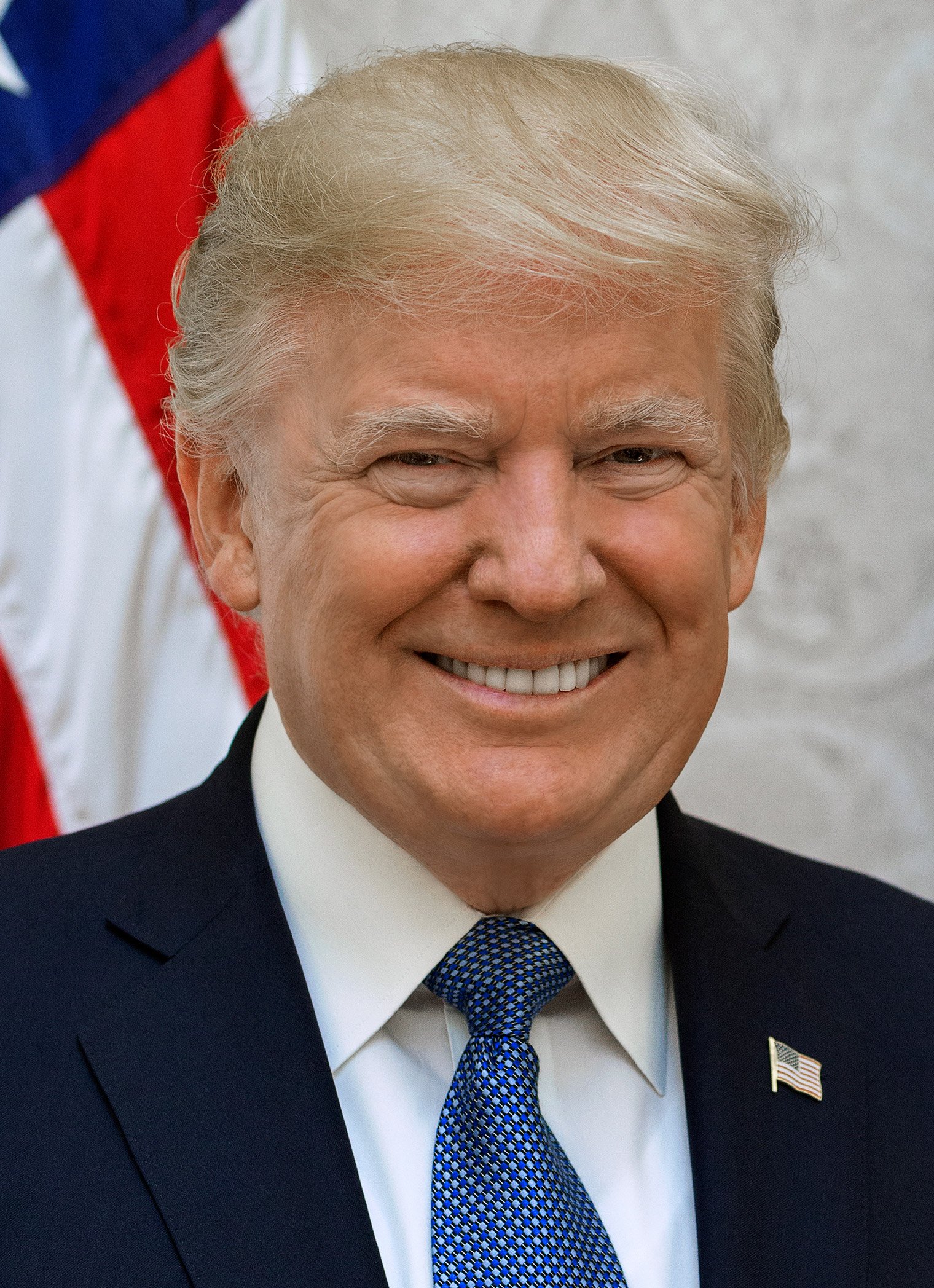
Trump has spoken publicly about his dislike of people that show weakness, which likely indicates his aversion to any sort of weakness within himself.
Trump's leadership style as a businessman and politician is commanding and decisive.
He referred to Haiti, El Salvador, and African nations as "sh*thole countries" during a 2018 White House meeting, which ignited controversy and backlash.
Trump is known to engage in heated debates and confrontations with individuals and organizations who oppose his views. Examples include during and following the January 6th riots, during the Mueller investigation of Russian interference in the 2016 Presidential election, and during the time Trump was censured and banned from Twitter.
Trump's dismissal of FBI Director James Comey, reportedly due to concerns about loyalty, highlights his extreme focus on this trait.
Trump has put his name on more than 15 residential properties, hotels, and office towers.
Trump's reluctance to wear a mask during the COVID-19 pandemic is an example of his resistance to appearing vulnerable.
Trump's handling of COVID-19 pandemic messaging, in which he often undercut or contradicted experts, demonstrates his desire to maintain control over narratives.
Trump frequently and publically questions authority and is not afraid to challenge those in power. He has been involved in public disputes with figures such as Hillary Clinton, Joe Biden, Elizabeth Warren, Alexandria Ocasio-Cortez, Kim Jong-un, Canada's Justin Trudeau, Germany's Angela Merkel, former FBI director James Comey, former White House chief strategist Steve Bannon, and former Secretary of State Rex Tillerson.
As a real estate developer and CEO, Trump was a hands-on manager who was heavily involved in decision-making and often acted as the final authority on matters. He was demanding of his employees and could be quick to fire those who did not meet his expectations. “You’re fired!”
As President, Trump was a micromanager who often clashed with his staff and cabinet members. He was reported to be very involved in the details of policy decisions and often made impulsive and controversial decisions.
During his political rallies, Trump uses language that is forceful and aggressive. He frequently attacks his opponents and makes sweeping promises about what he will do if elected.
Trump has been known to engage in aggressive behavior, such as name-calling and personal attacks. During a press conference in November 2018, CNN reporter Jim Acosta asked Trump several questions about his views on immigration policy and the ongoing investigation into Russian interference in the 2016 presidential election. Trump grew increasingly agitated during the exchange, accusing Acosta of being rude and telling him to "sit down" and "be quiet."
Trump often stands with his chest puffed out and his arms held away from his body, which can convey a sense of dominance and authority. His hand gestures tend to be forceful and sharp, indicating a need to convey strong conviction in his beliefs.
Trump's facial expressions are intense and expressive. He frequently frowns or scowls to convey anger or frustration.
In Their Own Words
"I'm worth far too much money. I don't need anybody's money."
“If you're going to be thinking, you may as well think big.”
My motto is: Always get even. When somebody screws you, screw them back in spades."
"When somebody challenges you, fight back. Be brutal, be tough."
Photo: Shealah Craighead, Public domain, via Wikimedia Commons
The Upbuild Enneagram Podcast, with new episodes added frequently.
Enneagram Library Live: twice-monthly teachings and discussion with the Upbuild Team
Explore the Enneagram through an Upbuild workshop.
A private Enneagram Deep Dive to help you figure out and harness your Type.