
Upbuild Coaching Philosophy
How We Define Coaching at Upbuild
Serving as a human mirror to help clients:
- Examine what they are experiencing to see their lives and themselves with lucidity, lending our own insights to the process
- Surface the underlying motivations and insecurities that are affecting their choices so that they understand why they’re doing what they’re doing, and can make more intentional decisions
- Concretize their goals and challenges (which will evolve as they grow) and break them down into practical, step-by-step action
- Be accountable to themselves
Creating the Container
The coach’s chief task is to create a container, both for the unfolding conversation in the moment and for the growing relationship between coach and client. That container must be capable of holding and encouraging the sharing of difficulties, complexities, aims, fears, emotions, and uncertainties. This container is made of three foundational coaching principles: self-awareness, vulnerability, and empathy.
What Happens in a Session
In the spirit of creating the container, as coaches, we strive to provide a safe space for dynamic exploration, act as a mirror, share in struggles, bounce off ideas, help in prioritization, and lend our own insights, as we co-create a plan of action that we will hold clients accountable to achieve.
One of the most helpful aspects of coaching is to evaluate habits and build new ones. If there’s something the client wants to be better at doing or there’s something they feel will help them grow personally, we’ll craft small goals to help them move in that direction and keep progressing. We will also help them to navigate conversations and relationships as they bring them into the discussion.
Our time together is intended for the client to process experiences with someone deeply invested in them. We will make suggestions when we feel strongly about direction, but we are always interested in what the client would most like to focus on.
Our Shared Responsibility
As coaches, our primary responsibility to ourselves and to our clients is that we are very seriously committed to our own personal progress and development in all spheres of life. We, at Upbuild, receive regular coaching for this purpose. That means we know what it’s like to be on the receiving end of coaching (not only in the past, but in the present). More importantly, we have the voracious hunger for our own personal growth that we pray brings a certain spirit to our sessions.
In three words, the success of the relationship hinges on: Trust, Accountability, and Momentum - Regarding Trust, we want to have as open and honest a relationship as possible where we can share fearlessly and believe the best intentions of the other at all times. - For Accountability, we want to make sure that we can hold the client to the ways they want to grow and keep pushing them onward. - To sustain Momentum, we want to ensure there is ongoing connection that allows clients to keep plugging away at what matters to them.
We all need a cheerleader to bring out the best in us. Our intention is to offer that to our clients in the most genuine way we can. This relationship is thus meant to be a friendship that provokes and pushes our clients to be their best.
Personal vs. Professional
Clients often wonder, is coaching for personal or professional matters? At the end of the day, our clients are human beings, whether at work or at home. The same aspirations and insecurities drive us in different forms and in different environments. What we want to look at is more fundamental and universal to who we are and how we show up. Working on a challenge in the office often has great bearing on our personal relationships and vice versa. We welcome getting to know our clients holistically, and find that this integrated approach lends greater transformative power to the work.
The Ego and The Self
The deepest coaching helps to illuminate the distinction between the ego and the self. We want to be able to recognize our ego so that we can be our true self. We define the ego as the identity of who we think we should be;we define the self as who we actually are beneath layers of ego. Coaching can lead to the uncovering of who we are and living as we are.
In Closing
Thank you for reading about the Upbuild coaching philosophy. You can learn more about Upbuild on our homepage, the Upbuild Coaching Training program at this link, and the faculty for the program below.
Upbuild Coaching Training Faculty Bios

Mary Kuentz
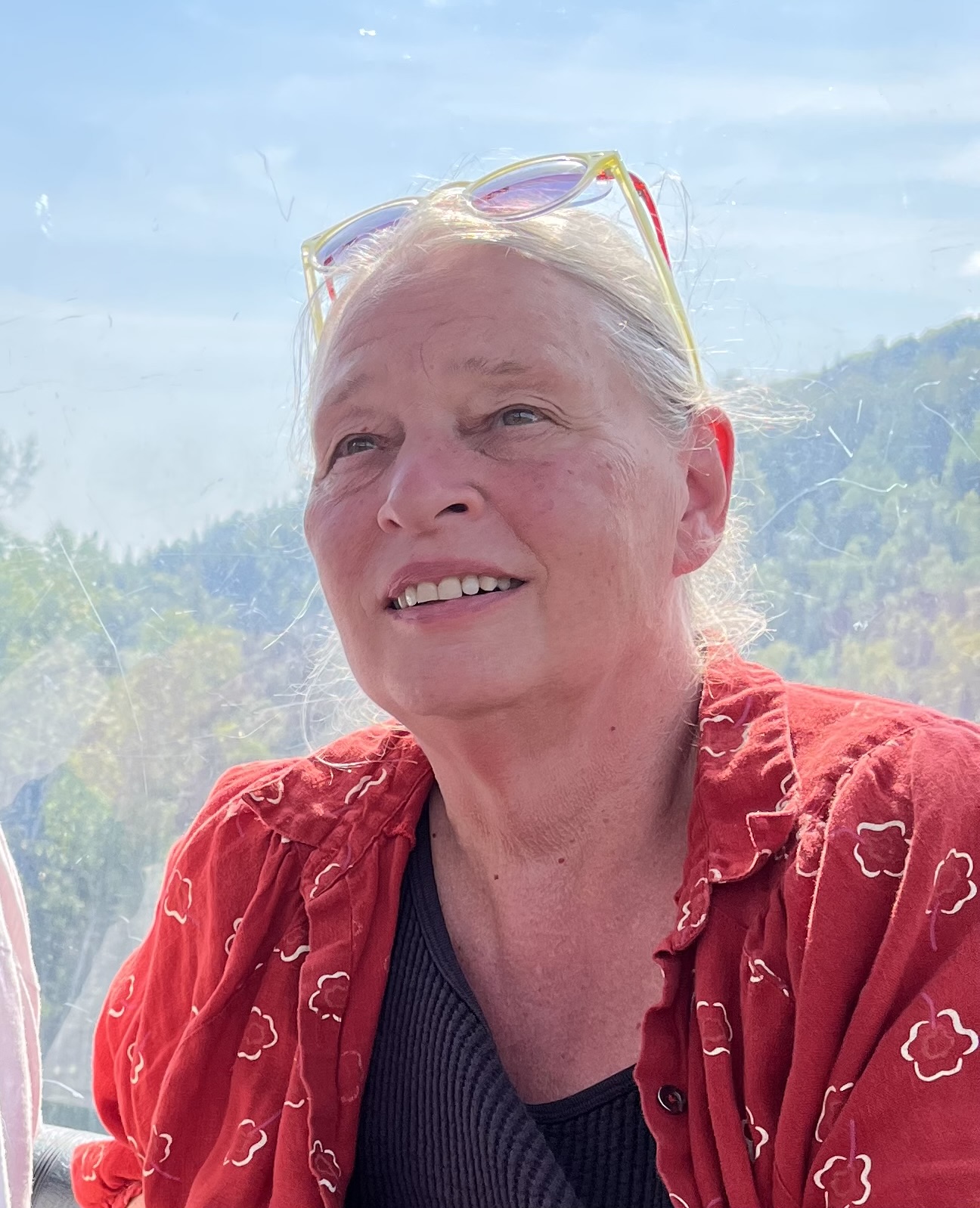
Mary Kuentz is a force of nature when it comes to exploring the deep meaning of being human and living a life that is fully alive, aligned and purposeful. She’s coached and taught coaching skills to thousands of leaders around the world with a simple goal: to alleviate the suffering that can come to us by going to work. Mary helps individual leaders and teams cultivate healthy, effective relationships while doing great work together. Prior to Upbuild, Mary was a coach in private practice since 2001. She’s on the faculty of several coach training organizations, including Coaching for Transformation and Co-Active Training Institute (CTI). Previously she was a web producer at Cornell University and a creativity and innovation consultant to Corning Incorporated.
Gina Kellogg
Gina Kellogg, MCC, CPCC, was a founding partner of Leadership that Works, Inc. and the co-creator of the Coaching for Transformation and Coaching for Community Transformation programs. A coach and trainer since 1996, Gina has passionately brought coaching skills to teens, nonprofits, philanthropy, prisons, families, organizations, and communities around the world. From this broad range of clientele, Gina has become skilled at working with all kinds of people and handling tough situations with grace, strength and diplomacy. She hopes to see coaching skills in the hands of all people, to transform relationships, workplaces, and communities everywhere.
Vipin Goyal
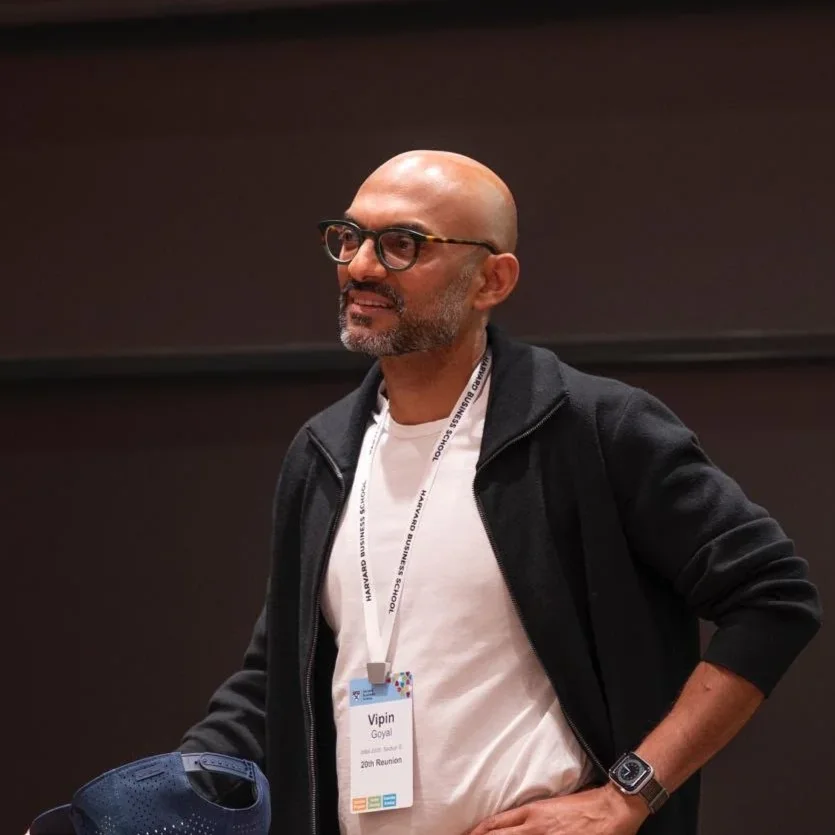
Vipin Goyal uses the skills he’s learned as an entrepreneur and an executive to help other leaders realize their best selves. He draws on his wide variety of experiences to help clients leverage their strengths and manage the pitfalls of their egos, develop greater empathy, build cultures in which people feel inspired to work, and lead with intention. Prior to Upbuild, Vipin was the Co-founder & CEO of SideTour, a marketplace of unique, hosted experiences which was acquired by Groupon in 2013. Previously he worked at McKinsey & Company as well as the international businesses of MTV Networks. He has an AB in Economics and an MBA from Harvard.
Michael Sloyer
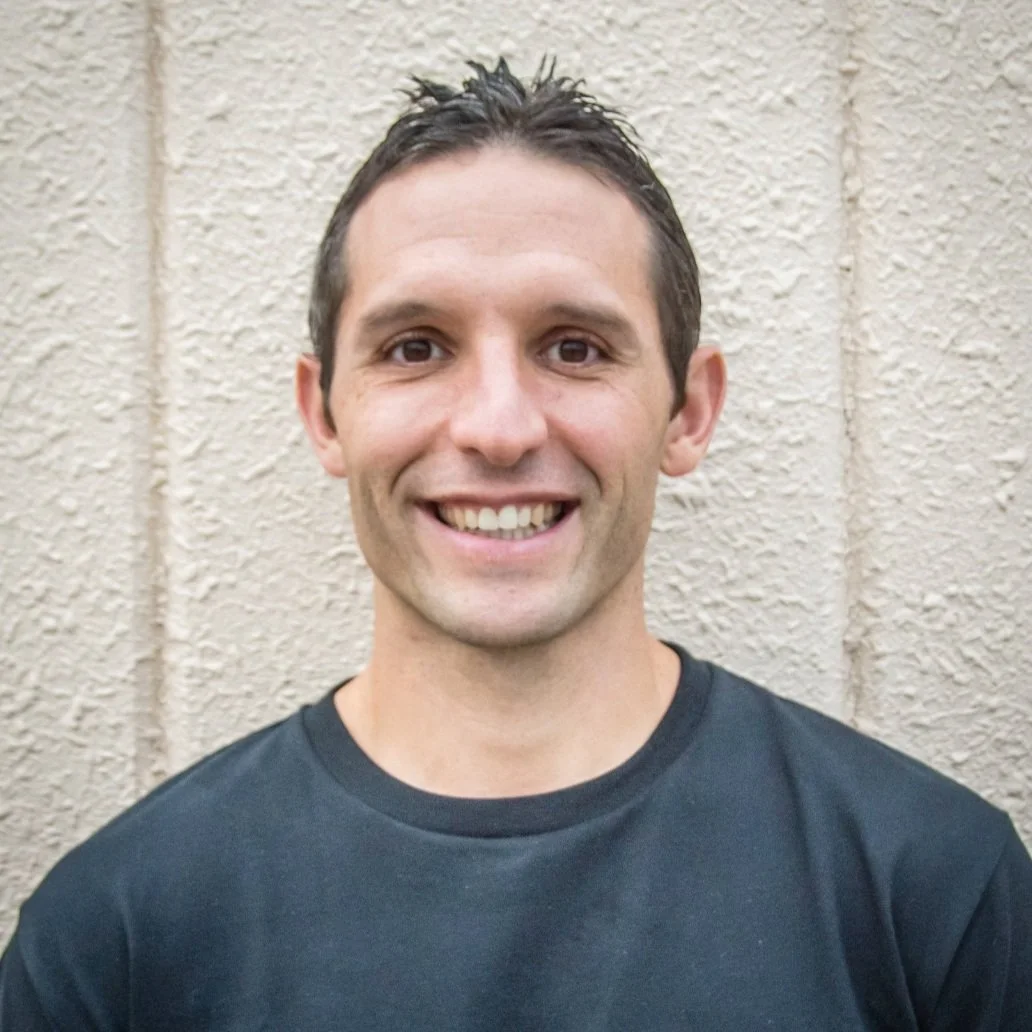
Michael Sloyer is passionate about helping people live up to their potential and to live more loving and fulfilling lives. To achieve these goals, he serves as a coach and leads workshops that facilitate his clients’ understanding of themselves and communities on a deeper level. Prior to Upbuild, Michael was a Managing Director at Goldman Sachs, where he was an equity derivatives trader for 11 years in NYC, Hong Kong, and Tokyo. He moved from Goldman to Upbuild so he could more properly align his best self with his work. In his free time, Michael harnesses his passion for photography to benefit underserved populations. He has published three photography books and hosted a number of exhibitions to raise money. He holds an Economics degree from Duke and is a Professional Certified Coach with the ICF.